It’s one of the most common questions parents ask, usually right after a first wobbly tooth or a school dental camp note comes home. The short answer is yes — and earlier than most people expect. Children’s teeth follow their own rules, and knowing what’s normal, what’s worth watching, and when to book a visit makes the whole process far less stressful for everyone involved.
Why Baby Teeth Get So Much Attention
It’s easy to assume baby teeth don’t matter much since they’re temporary, but they do more work than they get credit for. They guide the alignment of permanent teeth growing underneath them, support speech development, and let children chew properly during a key growth period. A cavity or infection left untreated in a baby tooth can affect the permanent tooth waiting behind it — which is exactly why paediatric dentists treat these cases seriously.
Common Concerns Parents Bring Up
Early childhood cavities: Frequent snacking, sugary drinks, and bedtime bottles are the usual culprits. Children generally respond better when decay is caught early, before pain sets in.
Teething and eruption timing: Delayed eruption or teeth coming in at odd angles worry a lot of parents. Most cases resolve on their own, but a quick check rules out anything that needs earlier attention.
Thumb-sucking and pacifier habits: Left unaddressed past age three or four, these habits can affect how teeth and the jaw develop. Catching it early, ideally before permanent teeth arrive, usually avoids more involved correction later.
Early orthodontic evaluation: Not every child needs braces, but a check around age seven can catch spacing or bite issues while the jaw is still developing and easier to guide.
Signs Worth Watching For
Kids don’t always describe dental pain clearly, so it helps to notice these on your own:
- Pain while chewing, or consistently favouring one side of the mouth
- White or brown spots on teeth, which can signal early decay
- Bad breath that doesn’t match their diet or brushing habits
- Thumb-sucking or pacifier use continuing past age three or four
- Teeth coming in crowded, crooked, or unevenly spaced
What to Expect From a Visit
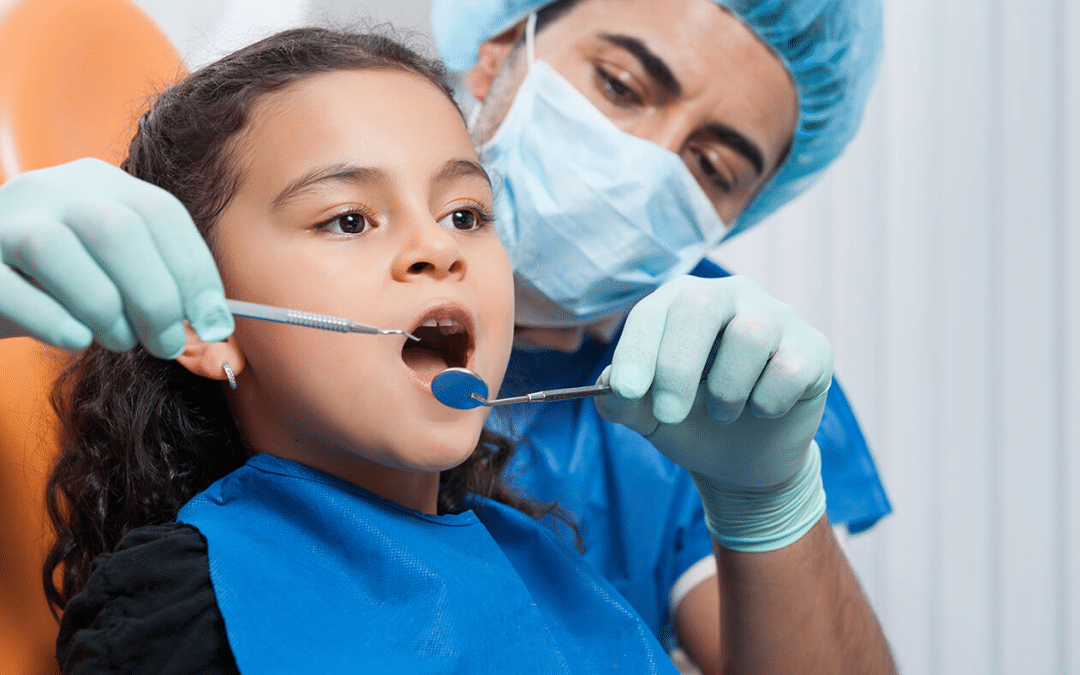
- A gentle introduction first — letting your child sit in the chair, see the tools, and get comfortable before anything clinical happens.
- A simple, low-pressure check-up covering teeth, gums, and bite, explained in terms your child can follow.
- Treatment, only if needed — explained clearly to both of you beforehand, and paced to your child’s comfort rather than rushed.
- Practical take-home guidance — brushing tips, diet notes, or habit advice — rather than just a treatment summary.
Habits That Make the Biggest Difference
- Start brushing as soon as the first tooth appears, using a rice-grain amount of fluoride toothpaste
- Supervise brushing until around age seven or eight — most kids can’t do it thoroughly on their own before then
- Skip the bedtime bottle of milk or juice
- Limit sticky, sugary snacks between meals rather than cutting out treats altogether
- Book a first checkup by age one, then every six months after
Schedule Your Visit
If you’re looking for gentle, experienced kids’ dental care in Madurai, Smile Style Dental Clinic welcomes young patients at both our Anna Nagar and Villapuram branches, six days a week, from 10:00 AM to 8:00 PM.